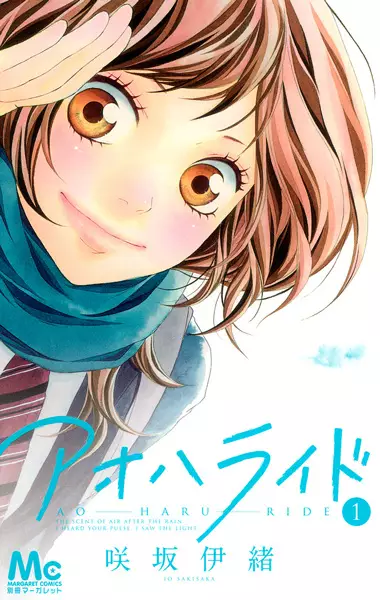
Ao Haru Ride (en)
Here is a polished, spoiler-free overview of *Ao Haru Ride*, crafted for a premium manga website.
---
### Ao Haru Ride (A Blue Spring Ride)
**By Io Sakisaka | Genre: Romance, Slice of Life, School Drama, Shoujo**
**A Story of Second Chances, Unspoken Words, and the Bittersweet End of Youth**
Some stories capture the ache of growing up with breathtaking precision. *Ao Haru Ride*—known to English-speaking fans as *A Blue Spring Ride*—is one of them. This beloved shoujo masterpiece by Io Sakisaka (author of *Strobe Edge* and *Omoi, Omoware, Furi, Furare*) is more than a high school romance; it is a tender, emotionally resonant portrait of falling in love, growing apart, and the painful courage required to meet someone again.
The story opens with Futaba Yoshioka, a high school girl who has deliberately transformed herself into a bland, "unfeminine" version of her past self. Ostracized by her female classmates in middle school for being too pretty and popular with boys, she now craves invisibility above all else. But when she reunites in high school with Kou Mabuchi—her first love and the boy who suddenly disappeared without a trace years ago—her carefully constructed walls begin to crumble. Except, the quiet, sensitive boy she once knew is now distant, aloof, and seemingly indifferent to everyone, including her.
**Atmosphere & Tone**
*Ao Haru Ride* is a masterclass in emotional atmosphere. Sakisaka’s art is luminous: soft, expressive linework, shimmering close-ups of eyes, and pages that seem to hold their breath during pivotal moments. The manga alternates between the breathless flutter of young love and the suffocating weight of misunderstanding. There is a pervasive sense of *mono no aware*—a poignant awareness of the fleeting nature of springtime and youth. Every rain-drenched schoolyard, every hesitant touch, every awkward silence feels earned, not manufactured.
**Why It Stands Out**
- **Raw, Relatable Turbulence:** This isn't a simple will-they-won't-they. The central conflict lies in the characters' internal growth. Futaba’s struggle is about authenticity—can she shed the mask she wears to fit in? Kou’s arc is about healing